The Altitude Mistakes I Watch First-Timers Make
A high-altitude guide on the five mistakes that wreck Humantay hikes: landing yesterday, racing the switchbacks, skipping water, pisco at night, ignored headaches.
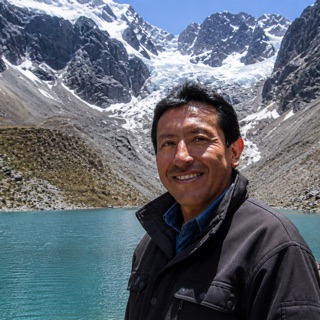 By Carlos Mamani, Humantay Lake tour guide & high-altitude specialist
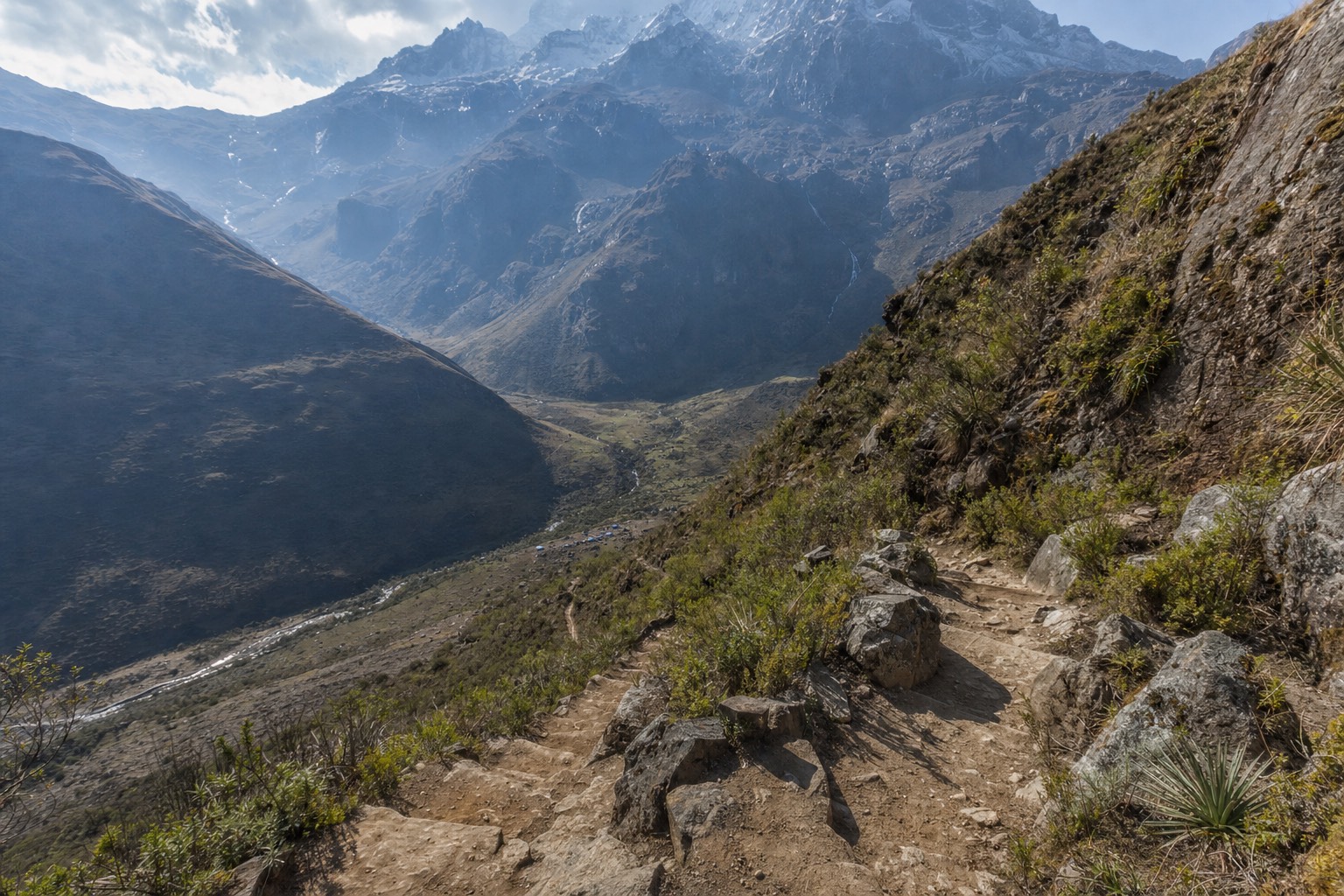
I can usually pick them out at the Soraypampa briefing. Not by fitness, that is the part nobody believes. The marathon runner from Denver and the grandmother from Lima start the same trail, and by the second set of switchbacks it is often the runner sitting on a rock with his head between his knees. Altitude does not read your gym schedule. I have been guiding at these elevations since 2020, on the Humantay trail specifically since 2022, and the mistakes I watch for have barely changed in all that time. There are five of them. Every one is preventable, and almost every rough day on this mountain starts with one.
Booking choice: See how the guided lake day puts transport and both meals around the hike. Check Humantay Lake dates
Affiliate recommendation · final price and options on GetYourGuide.Mistake one: landing yesterday, hiking today
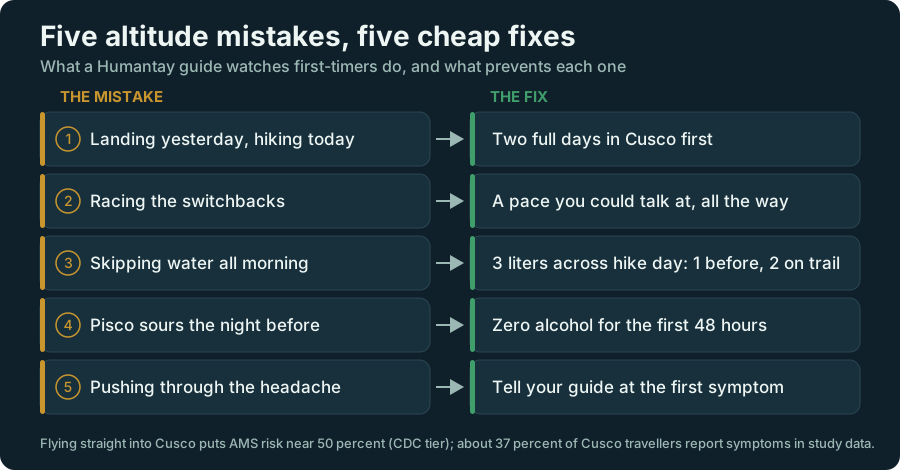
This is the big one. Flying from sea level into Cusco at roughly 3,400 meters and hiking to 4,200 meters the next morning is the textbook recipe for acute mountain sickness. Give yourself at least two full days in Cusco first. Your body needs that time whether or not you feel fine on day one.
The cruel trick of altitude is the delay. You land, you feel wonderful, you walk the Plaza, you book tomorrow's hike. Then symptoms arrive on the standard schedule, usually 2 to 12 hours after arrival, often overnight, which means the headache shows up at exactly the moment my van does. The CDC's altitude illness guidance puts flying directly into elevations above 3,400 meters in its highest risk category, with illness rates approaching half of all travelers who do it.
Half. Flip a coin. That is what "I'll be fine, I'm fit" is actually betting against.
The fix costs nothing except itinerary discipline. Two days in Cusco before the trail, walking slowly, eating lightly, sleeping properly. Some travelers drop to the Sacred Valley, several hundred meters lower, for the first night or two, and the CDC explicitly endorses sleeping lower before pushing higher. My full plan is in the acclimatization guide, including what to do with those two days so they do not feel wasted.
| Where the day takes you | Altitude | How it tends to feel unacclimatized |
|---|---|---|
| Cusco (arrival, hotels) | ~3,400 m | Breathless on stairs, maybe a headache by night |
| Mollepata (breakfast stop) | ~2,900 m | A relief, thicker air, appetite returns |
| Soraypampa trailhead | ~3,850-3,900 m | Noticeably thin, cold morning air |
| Humantay Lake | 4,200 m | Every step above the trailhead is earned |
| Humantay peak (backdrop) | 5,470+ m | For mountaineers only; you just photograph it |
The fix for the biggest mistake is only time used well, so here is the two-day shape I hand every group before they attempt this trail.
| Before hike day | What to do | Why it works |
|---|---|---|
| Arrival day in Cusco | Walk slowly, eat light, hydrate, sleep properly | Symptoms peak in the first 24 hours; nothing strenuous belongs here |
| Full day two | Gentle sightseeing, more water, zero alcohol | Gives your body the adjustment window guidance calls for |
| Optional first nights | Sleep in the Sacred Valley, several hundred metres lower | The CDC endorses sleeping lower before pushing higher |
| The night before the hike | Early dinner, water bottles by the door, lights out near 9 PM | A 3:30 AM alarm punishes a late Cusco night |
Mistake two: racing the switchbacks
The strongest hikers hit the wall hardest because they climb at sea-level pace. At 4,000 meters the only pace that works is one you could hold a conversation at. Slow is not a compromise on this trail. Slow is the technique.
There is a moment on the lower slope where the trail tilts up and the group naturally sorts itself. Somebody, usually young, usually in expensive trail shoes, decides to make a statement. I have learned to just note the color of their jacket, because I will be crouching next to that jacket in forty minutes.
Oxygen at the lake is roughly 60 percent of what your lungs are calibrated for. Your muscles can push hard here, but they write checks your blood cannot cash, and the debt arrives all at once: pounding heart, spinning head, nausea. Guides pace groups deliberately, short steps, steady rhythm, a pause at the water stops, and it is not for the slow people. It is the only way anybody arrives well.
The test is absurdly simple. If you cannot speak a full sentence while climbing, you are going too fast, full stop. I break the whole climb into honest segments in the hike difficulty guide, and none of those segments reward speed.
Mistake three and four: the water you skip, the pisco you did not
Dehydration and alcohol are the same mistake wearing two costumes. Altitude dries you out through faster breathing and dulls your thirst signal at the same time, and alcohol piles dehydration on top while worsening sleep. Drink 3 liters across hike day. Skip the pisco sour until you are back.
The dry air here steals water invisibly. Every breath at altitude exports moisture, you breathe far more often, and cold mornings mute the thirst that would normally warn you. First-timers routinely arrive at Soraypampa having drunk nothing since their hotel. Then they wonder why the headache starts on the first switchback.
The pisco version is more expensive. Cusco's bars are wonderful and they are a trap for the newly landed: the CDC advises avoiding alcohol entirely for the first 48 hours at altitude, and my trail observations agree with the medical literature. The traveler who celebrated booking the hike is reliably the one refunding that celebration on the roadside at 5 AM. I covered the night-before protocol in the 3:30 AM alarm post: early dinner, water bottles by the door, nothing stronger than coca tea.
| Habit | At sea level | At 4,000+ meters | What I tell my groups |
|---|---|---|---|
| Sipping water constantly | Optional | The whole game | 1 L before the trailhead, 2 L on the trail |
| A couple of drinks at night | Harmless | Multiplies AMS risk, ruins sleep | Zero for the first 48 h and hike eve |
| Skipping breakfast | Fine for some | Blood sugar crash mid-climb | Eat the Mollepata breakfast properly |
| Coffee | Fine | Fine, mild, keep the water coming | Enjoy it, it is not the villain |
| Coca tea / leaves | Novelty | Genuinely helps many people | Traditional, legal here, worth trying |
Mistake five: ignoring the headache
A headache at altitude is information, not an inconvenience to push through. Mild AMS handled early, with rest, water, and no further ascent, stays mild. Ignored, it can progress toward the dangerous forms. Tell your guide the moment your head starts. We would always rather know.
This is the mistake with actual stakes. The others cost you a miserable day; this one is how the rare emergencies begin. Acute mountain sickness announces itself politely, a headache plus fatigue, maybe nausea or dizziness, and travelers trained by ordinary life to swallow a paracetamol and carry on do exactly that, straight uphill.
Here is what a guide is actually doing while you think we are just walking. We watch faces at every pause, count who is talking and who has gone quiet, watch for the stumble that is coordination rather than loose rock. Gone-quiet plus pale plus "I'm fine" is a pattern every mountain guide on earth knows. When we ask how you feel, it is a medical question wearing small talk.
| What we notice | What it usually means | What happens next |
|---|---|---|
| Headache, admitted early | Mild AMS, very common | Slow the pace, water, monitor at each stop |
| Nausea or dizziness | AMS progressing | Long rest, no more climbing until it eases |
| Vomiting, severe headache | Moderate AMS | Descent with an escort, hike is over |
| Confusion, stumbling walk | Potentially severe, rare | Immediate descent, oxygen, evacuation plan |
| "I'm fine" through gritted teeth | Unknown, and that worries me | Gentle questions until I know the truth |
The featured departure carries a first aid kit and an emergency oxygen bottle, and the guides are trained on exactly this ladder. Oxygen on this trail is like a fire extinguisher: almost never used, and non-negotiable to have along.
What the prepared version of you looks like
Arrive two days early, sleep well, hydrate like a professional, keep the pace conversational, and speak up at the first symptom. Do that and this trail, for most reasonably healthy people, becomes a hard, glorious morning instead of an ordeal. The mountain rewards patience over fitness every single time.
None of this is meant to frighten you off. Thousands of people stand at that lake every week, and the overwhelming majority walk down grinning. A widely cited study of travelers to Cusco found around 37 percent experienced some altitude symptoms, which means two things are true at once: soroche is genuinely common, and most people still have a great day. The difference between the two groups is rarely luck. It is the five mistakes, made or not made.
Going with a guided group stacks the odds further in your favor, and not only for the oxygen bottle. A guide who does this trail week after week is a walking early-warning system. Then read my Cusco altitude guide and give yourself the two days. The lake has waited a few thousand years. It can wait until Thursday.
The Denver runner from my opening, by the way, made it to the lake. We slowed him down, poured water into him, and he summited the shore trail forty minutes behind the grandmother from Lima. She was drinking coca tea when he arrived. He asked her what her secret was and she said, in Spanish, the truest sentence ever spoken on that trail: "I was not in a hurry."
Your next step
Choose your day from Cusco
Match the trip to your plans
General recommendation · confirm your own requirements
Humantay Lake with breakfast and buffet lunch
Have a date in mind? Let one booking cover the ride to Soraypampa, your guide and both meals. Check your departure before arranging the rest of your trip.
12–13.5 hours · Transport, English/Spanish guide, breakfast and buffet lunch, first aid and emergency oxygen. Entrance fee and optional horse are extra, paid locally in cash.
Choose the historic-center pickup option and confirm your hotel; other options use a meeting point. Downtown Cusco drop-off.
A steep high-altitude hike. Not suitable for pregnancy, mobility or respiratory limitations, vertigo or low fitness. A horse does not remove the walking or altitude requirements. Free cancellation until 24 hours before departure.
Affiliate links: we may earn a commission if you book, at no extra cost to you.