How Much Does a Humantay Lake Day Cost in 2026?
The entrance fee is small, the horse is optional, and the biggest costs are the ones people forget to budget. Here is the full money picture, line by line.
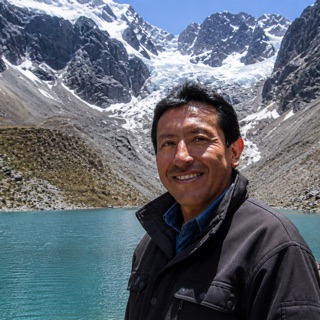 Written with Carlos Mamani, Humantay Lake tour guide & high-altitude specialist
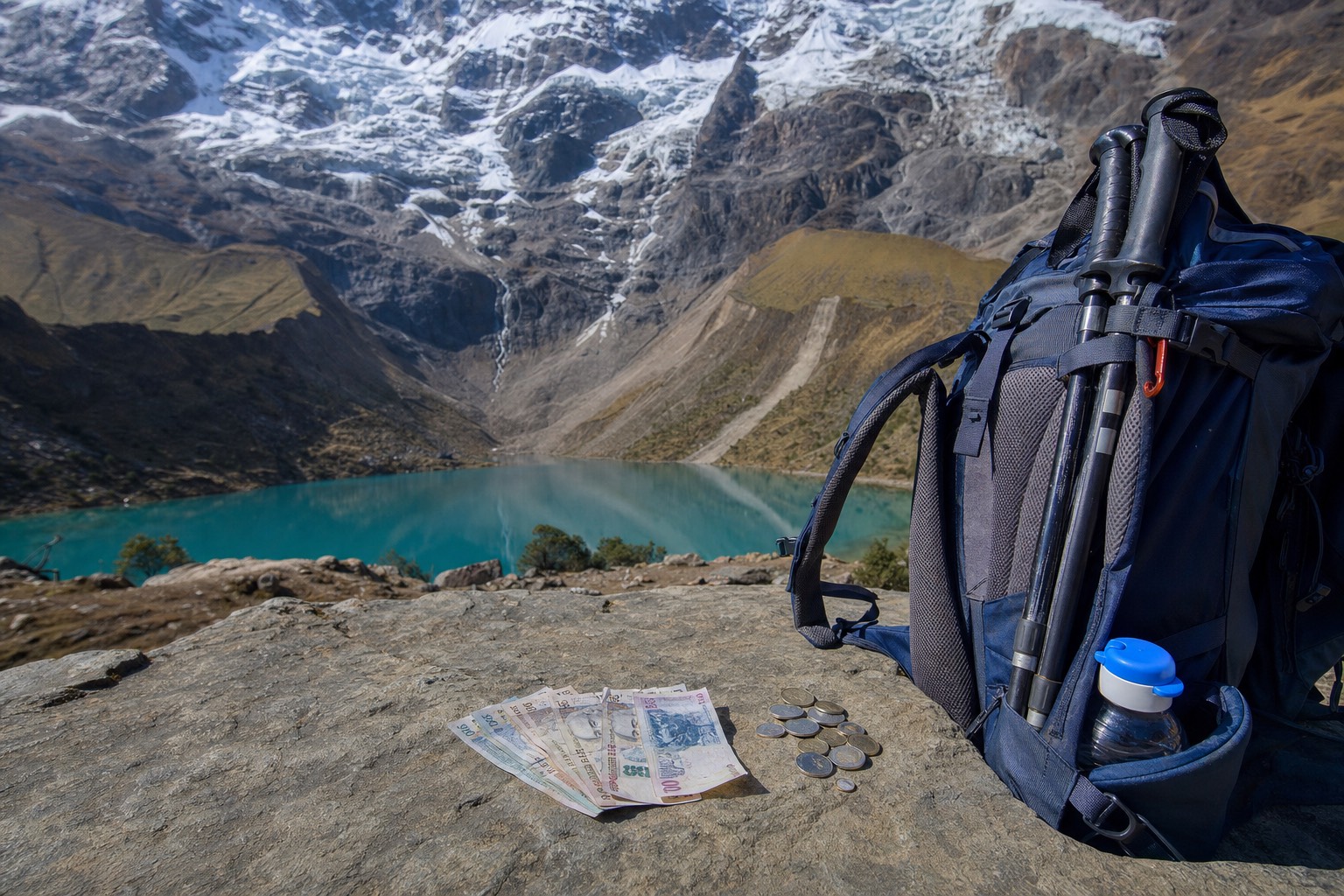
Short answer
Budget the community entrance fee (recent reports run 10 to 20 soles, sometimes up to 30 for foreigners, and it changes), around 80 soles one way if you want a horse, 10 to 20 soles in tips, and a little for snacks. A tour bundles transport, meals and a guide; entry is extra; carry 150 to 200 soles in small notes to cover everything else.
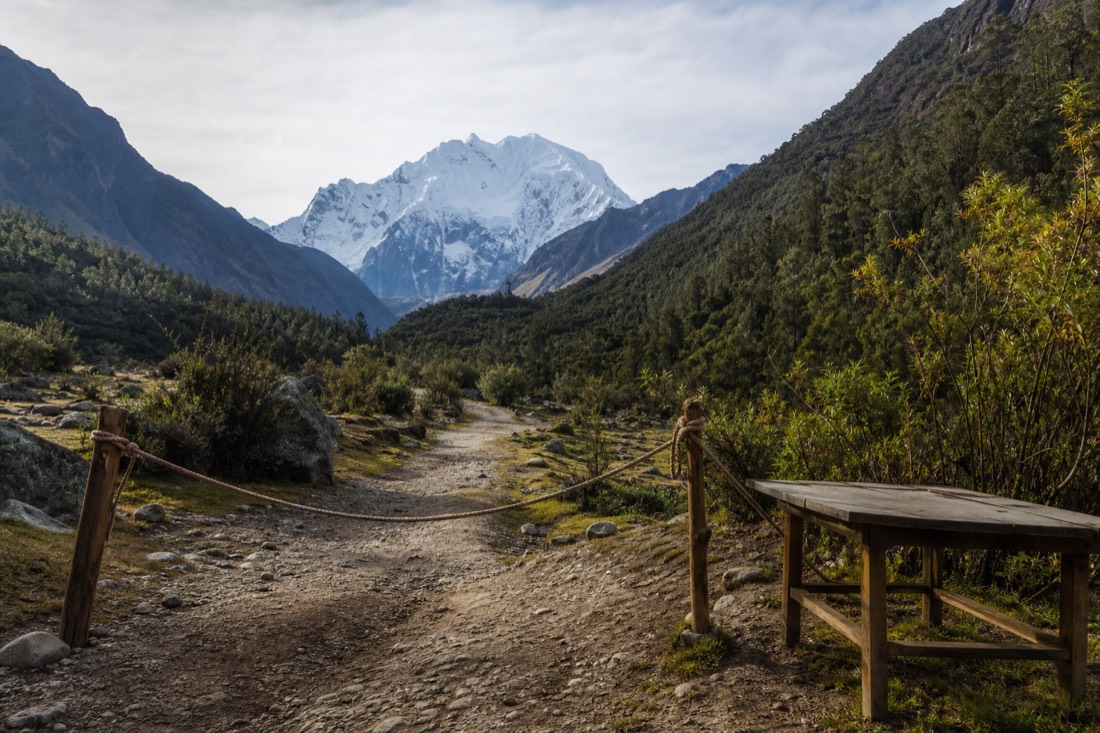
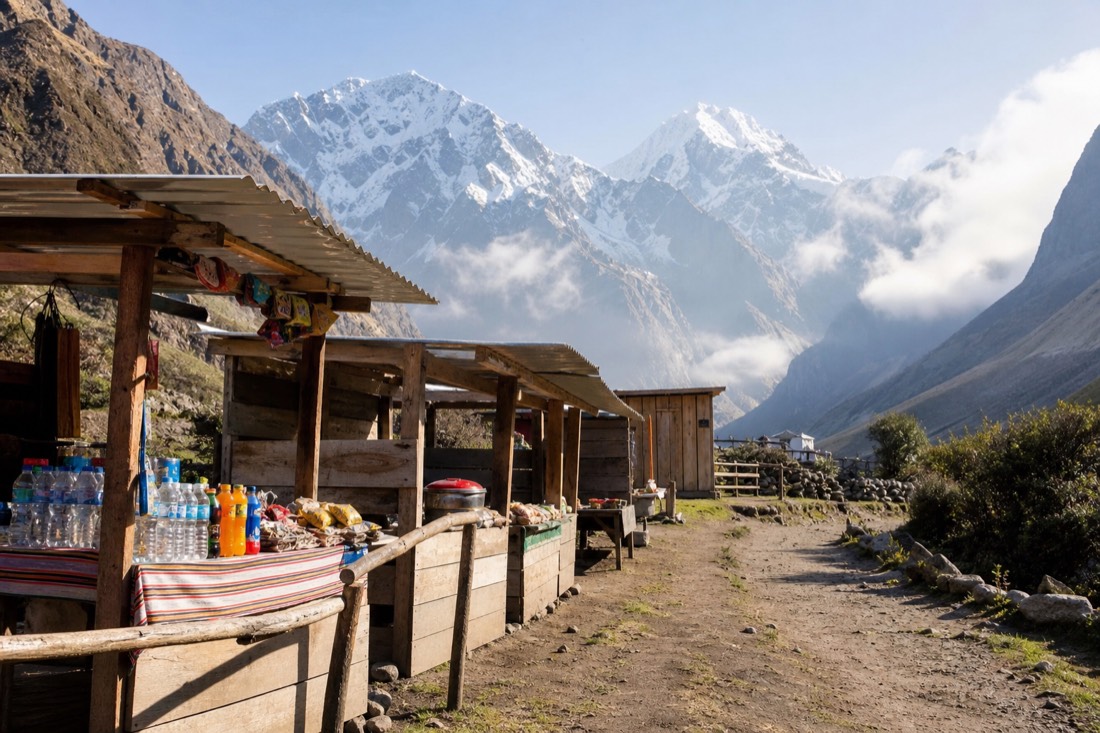
The checkpoint below Soraypampa is not a gate. It is a rope across a dirt road, a folding table, and a local señora with a receipt book who has been up since before the vans arrived. I have watched hundreds of travellers dig through their daypacks there, surprised that anyone wants money at 3,900 metres. The amounts on this trail are small. The problem is that every one of them is cash only, and the nearest ATM is three hours behind you in Cusco. This guide breaks down every sol you might spend on a Humantay day, what the tour already covers, and exactly what to carry in your pocket.
Booking choice: See exactly what the lake tour includes; the community entrance fee is extra. Check Humantay Lake dates
Affiliate recommendation · final price and options on GetYourGuide.How much is the entrance fee at the checkpoint?
The community entrance fee for Humantay Lake is charged at the Mollepata/Soraypampa checkpoint. Recent traveller reports put it at 10 to 20 soles per person, with some 2025 reports of 30 soles for foreign visitors. It changes without much notice. The featured tour handles the fee per its GetYourGuide listing, so tour guests rarely touch it.
This is not a national park ticket. The fee is collected by the local community of the Mollepata district, and it pays for trail maintenance, the basic toilets, and the people who keep an eye on the route. Because it is a community charge rather than a government tariff, the amount moves. In the seasons I have been guiding here I have seen it change more than once, and reports from 2025 and 2026 range from 10 soles up to 30 for foreigners, with 20 the number that comes up most often.
The featured day trip excludes the entrance fee: its listing currently quotes 20 soles per person, payable separately in cash. Keep this in your budget whether you book a tour or go independently. If you go independently, as I cover in the guide to visiting without a tour, bring the fee in coins or small notes and expect a paper receipt.
One honest note: do not plan your budget around the exact figure you read anywhere, including here. Treat 30 soles per person as the safe ceiling and be pleasantly surprised if it is less.
What do the horse, tips and snacks add on the ground?
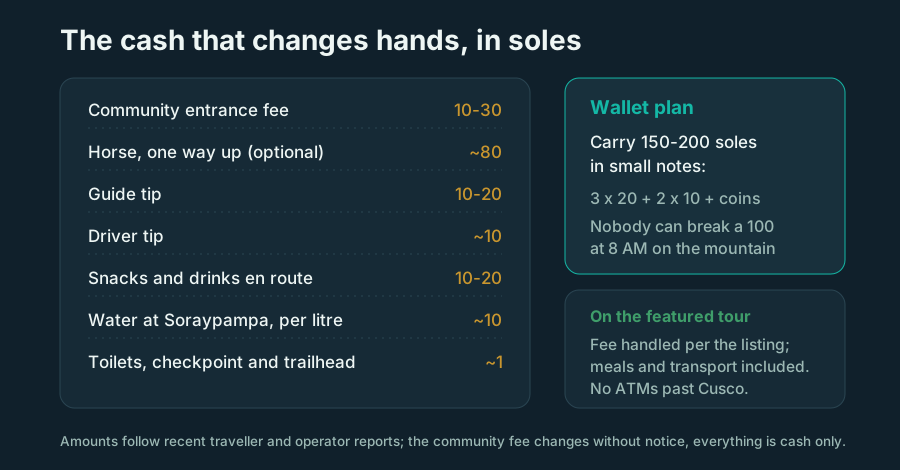
Three optional costs come up on almost every trip: the horse at Soraypampa, around 80 soles one way paid in cash on site; tips for the guide and driver, typically 10 to 20 soles per person for the guide and about 10 for the driver; and snacks or drinks, usually 10 to 20 soles if you buy on the route.
| On-the-ground cost | Typical amount | Where and how you pay |
|---|---|---|
| Community entrance fee | 10 to 20 soles (reports up to 30 for foreigners) | Mollepata/Soraypampa checkpoint, cash; handled by the featured tour per its listing |
| Horse, one way uphill | ~80 soles (reports range 70 to 100) | Soraypampa trailhead, cash to the local horseman |
| Guide tip | 10 to 20 soles per person | End of the day, cash |
| Driver tip | ~10 soles | End of the day, cash |
| Toilets on the route | ~1 sol | Checkpoint and trailhead, coins |
| Snacks and drinks en route | 10 to 20 soles | Mollepata shops and Soraypampa stalls, cash |
| Bottled water at altitude | ~10 soles per litre | Soraypampa stalls, cash |
The horse deserves its own decision, and I wrote a full guide to the horse option because it is the single biggest variable in your day. Short version: about 80 soles one way, paid directly to a community horseman, and the horses stop 15 to 20 minutes below the lake, so everyone walks the steepest final section.
Tipping in Peru is genuinely appreciated rather than expected the way it is in North America. Operator guidance such as the Salkantay Trekking tipping guide lands on similar day-tour figures: 10 to 20 soles per person for a guide who worked hard for you, around 10 for the driver who got you down that unpaved road in one piece. Nobody will chase you for it. A good guide notices, though, and so does the rest of the crew.
Water is the sneaky one. A litre bought at a Soraypampa stall runs around 10 soles. Buy your bottles in Cusco the night before and that line disappears from your budget.
What does the tour cover that you would pay for separately?
The featured day trip bundles the items that dominate a DIY budget: return transport from Cusco, a bilingual guide, hot breakfast and buffet lunch in Mollepata, first aid kit, emergency oxygen and an optional walking stick. Going independently, you rebuild each of those as a separate cash line.
Doing this trip on your own is absolutely possible, and for some travellers it is the right call. But the arithmetic is less lopsided than people expect once you price every DIY line honestly. Here is the comparison, using current traveller-reported figures for the independent route.
| Line item | DIY, per person | On the featured tour |
|---|---|---|
| Cusco to Mollepata (colectivo from Arcopata) | 15 to 20 soles each way | Included |
| Mollepata to Soraypampa taxi | up to 10 soles shared, ~50 private | Included |
| Entrance fee | 10 to 30 soles | Extra, paid locally in cash |
| Breakfast | 10 to 15 soles in Mollepata | Included, hot |
| Lunch | 15 to 25 soles in Mollepata | Included, buffet with vegetarian option |
| Guide, first aid, emergency oxygen | Not available solo | Included |
| Walking stick | Rental at trailhead, a few soles | Optional, included |
| Horse (optional) | ~80 soles one way | Same, paid on site either way |
| Tips | Optional | Optional, 10 to 20 soles |
Two things the table cannot show. First, the DIY route runs on colectivo schedules, which means you will almost certainly arrive at the lake later than the tours, in stronger wind and bigger crowds. Second, the safety items are not really optional at 4,200 metres: on the tour, the first aid kit and the emergency oxygen bottle ride up the mountain whether you need them or not.
I do not print the tour's price here because it moves with dates and seasons, and a stale number helps nobody.
How much cash should you carry, and in what notes?
Carry 150 to 200 soles per person in small denominations: two or three 20s, a couple of 10s, and a handful of coins. That covers a horse, tips, toilets and snacks with a buffer. There are no ATMs and no card machines at Mollepata's trailside stalls or anywhere at Soraypampa.
The single most common money mistake I see is not the amount, it is the denominations. Travellers arrive with one crisp 100-sol note from a Cusco ATM and discover that a horseman at Soraypampa cannot break it at 8 AM, and neither can the señora selling coca tea. Change is scarce on the whole route. Break your big notes in a Cusco supermarket or pharmacy the day before.
| Wallet plan | Notes and coins | What it covers |
|---|---|---|
| Minimalist (tour, no horse) | 40 to 60 soles in 10s and coins | Tips, a snack, toilets |
| Standard (tour, maybe a horse) | 150 soles: 3 x 20, 2 x 10, rest small | Horse one way, tips, snacks, buffer |
| Independent traveller | 250 to 300 soles in small notes | Transport, fee, meals, horse option, buffer |
Cusco itself sits at about 3,400 metres, and the city context matters for your wallet too: ATMs cluster around the Plaza de Armas area of Cusco, and the last reliable ones are there. Nothing after that. Keep the cash in a zipped inner pocket; you will be pulling layers on and off all morning, and I have watched more than one 50-sol note fly off toward the Salkantay valley.
Where do people overspend or get caught out?
The classic leaks: buying water at altitude instead of in Cusco, taking the horse both ways when the descent is the easy part, paying an inflated private taxi fare in Mollepata, and carrying big notes nobody can change. None of these ruins a trip. Together they can double your on-the-ground spend.
The horse both ways is the one I gently talk people out of most often. The climb from Soraypampa is where the horse earns its 80 soles. The descent takes about an hour on foot, downhill, with the valley opening up in front of you, and paying another fare to ride it rarely makes sense unless a knee or the altitude is genuinely complaining.
The lake itself, for the record, costs nothing beyond the entrance fee. Humantay Lake is a glacier-fed lagoon at about 4,200 metres, sacred to the local communities, and there is nothing to buy at the shore. That is part of what makes it feel the way it does. Swimming is prohibited, offerings are quiet, and the only transaction at the top is you and the mountain.
My last piece of budget advice is the least glamorous one: the cheapest version of this day is the one where your body cooperates. Acclimatize properly in Cusco first, walk slowly, and you will not be renting a horse out of desperation halfway up. What that acclimatization looks like, and how to pack for a day that starts below freezing and ends in fierce sun, is covered in what to pack for the lake.
What does the whole day total in cash, start to finish?
Add the pieces up and the day is cheap by any measure. A tour guest who walks and tips modestly spends maybe 30 to 50 soles on the ground. Take a horse and it climbs to around 110 to 140. Go fully independent and you land somewhere between 70 and 190, depending on whether you ride.
The confusion around cost comes from people quoting one line and forgetting the rest. The entrance fee on its own tells you almost nothing about your day, because the horse, the tips, the water and the transport all live on separate little slips of cash. Here is what the whole thing sums to, using the component figures from the tables above, so you can pick the row that matches your plan and carry accordingly.
| Your version of the day | On-the-ground cash | What is driving the total |
|---|---|---|
| Tour, walk up, modest tips | 30 to 50 soles | Guide and driver tips, a snack, toilets |
| Tour, take a horse up | 110 to 140 soles | The ~80-sol horse on top of tips and snacks |
| Independent, walk up | 70 to 110 soles | Colectivo and taxi both ways, fee, two meals |
| Independent, horse up | 150 to 190 soles | The independent chain plus the horse |
Two caveats on reading those totals. They are on-the-ground cash only, sitting on top of whatever you paid for the tour itself or would spend on a DIY transport chain, and they assume nothing goes sideways. A private taxi because you missed the colectivo, a second horse for the descent, an extra round of drinks at lunch: any of these nudges you into the band above. Budget for the row over the one you expect, and you will never be the person counting coins at the folding table.
The totals also hide who gets the money, which I think is worth a sentence. Almost every sol on this list stays local. The fee funds the Mollepata community, the horse fee goes straight to a Soraypampa family, and the tips reach the guide and driver directly. Spending on the mountain is one of the few times your travel cash lands in the exact hands doing the work, a decent reason not to nickel-and-dime the small stuff.
The fee itself carries one wrinkle worth knowing before you reach the table. Some 2025 reports describe a two-tier charge, around 30 soles for foreign visitors and 20 for Peruvians, while plenty of other travellers simply report a flat 20. Because it is a community charge rather than a printed government tariff, both can be true in the same season depending on who is collecting that day. Carry 30 per person and you are covered whichever version you meet.
Carrying the right amount is only half the job. You also have to carry it in a form each vendor can take, because none of them run a card machine and change for a big note is scarce from the first stall to the last.
| Where you hand over cash | Card machine? | Change for a 100? | Have ready in hand |
|---|---|---|---|
| Community checkpoint | No | Rarely | One 20 and some coins |
| Horseman at Soraypampa | No | No | Two 20s or four 10s |
| Toilets on the route | No | No | 1-sol coins |
| Water and snack stalls | No | Sometimes | 10-sol notes |
| Guide and driver tips | No | Not their job | 10s and 20s |
Where do I see people waste soles on this trip?
I have stood at that folding table through more dawns than I can count, and the same few leaks come up every week. None of them are large. Together they quietly double what a careful traveller spends, and every one of them is fixable with five minutes of prep in Cusco the night before.
The first is water bought at altitude. A litre at a Soraypampa stall is around 10 soles, several times the Cusco price, and I watch people buy two or three because they set off with an empty bottle. Fill up in the city. The second is the horse taken both directions when only the climb really needs it. The descent is downhill and gentle on the lungs, and paying a second fare for it rarely earns its keep unless a knee is genuinely finished, a point I make in full in the horse guide.
Then there is the big-note problem, which is less about money than about friction. Somebody hands a horseman a crisp 100 at 8 AM and the transaction simply stalls, because he is working from a float of tens, not a bank. The lake itself, for the record, adds nothing to any of this: Humantay Lake is a sacred, glacier-fed lagoon at about 4,200 metres, swimming is prohibited, and there is nothing to buy at the shore. Every leak happens lower down, at the stalls and the fence.
I want to be clear that tips are not on my list of leaks, because they are not waste. Ten to twenty soles for a guide who paced you safely up a 4,200-metre climb, and around ten for the driver who handled that unpaved road in the dark, is money well spent and genuinely appreciated rather than expected. The leaks are the accidental costs, the overpriced water and the doubled-up horse fare. The small kindnesses that make the crew's day are the last thing I would trim.
The fix for all of it fits on a sticky note. Do these things in Cusco and the trail stops being a place where money quietly escapes.
| Do this in Cusco the night before | Why it matters | What it saves |
|---|---|---|
| Break a 100 into 20s, 10s and coins | No one on the mountain changes big notes | A stalled payment at dawn |
| Buy 2 litres of water | Stall water runs about 10 soles a litre | 10 to 20 soles |
| Set your horse budget aside separately | Horses sell out and the fee is cash on the spot | The mid-climb scramble |
| Pocket tips in small notes | Guide 10 to 20, driver about 10 | An awkward end-of-day fumble |
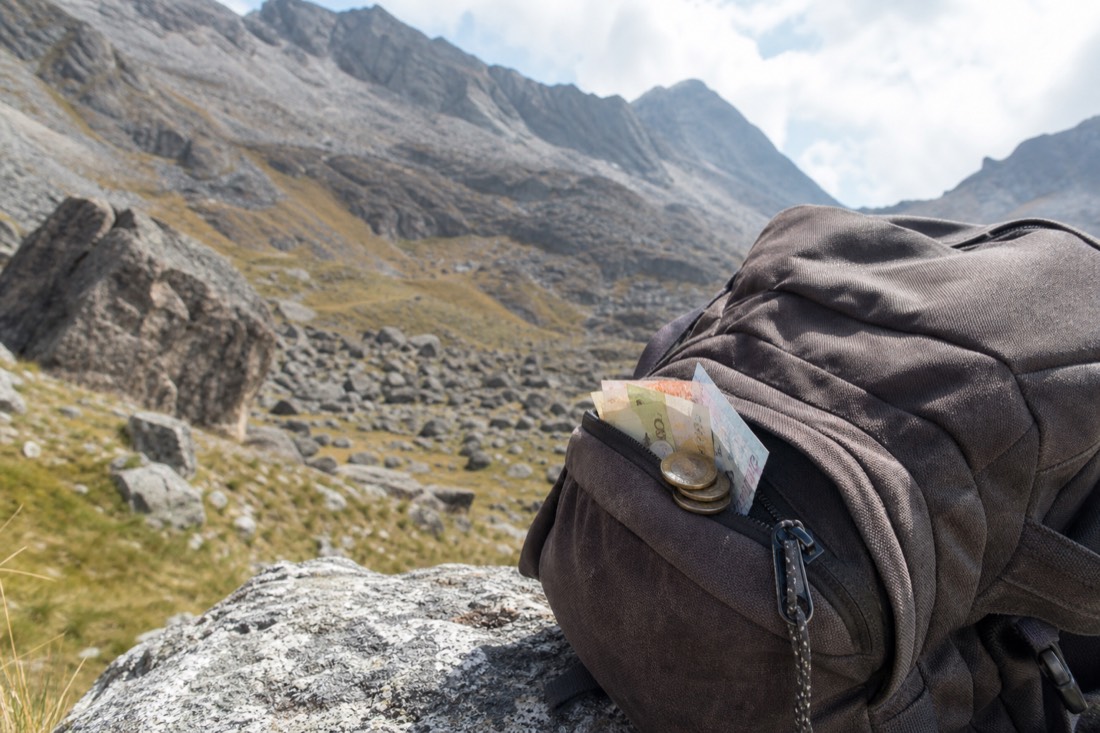
The quietest leak of all is the one your body imposes: skip the acclimatization, arrive gasping, and you rent a horse out of pure exhaustion rather than choice. Two settled days in Cusco, the subject of the acclimatization guide, is the cheapest upgrade to the entire day.
Your next step
Choose your day from Cusco
Match the trip to your plans · compare costs
Compare your own quotes
Enter two totals for the same party and currency, including entry, meals, transport and any horse costs. These are your estimates, not live prices.
General recommendation · confirm your own requirements
Humantay Lake with breakfast and buffet lunch
Have a date in mind? Let one booking cover the ride to Soraypampa, your guide and both meals. Check your departure before arranging the rest of your trip.
12–13.5 hours · Transport, English/Spanish guide, breakfast and buffet lunch, first aid and emergency oxygen. Entrance fee and optional horse are extra, paid locally in cash.
Choose the historic-center pickup option and confirm your hotel; other options use a meeting point. Downtown Cusco drop-off.
A steep high-altitude hike. Not suitable for pregnancy, mobility or respiratory limitations, vertigo or low fitness. A horse does not remove the walking or altitude requirements. Free cancellation until 24 hours before departure.
Affiliate links: we may earn a commission if you book, at no extra cost to you.