Is the Humantay Lake Hike Safe?
The honest answer from someone who paces groups up this trail: yes, if you respect the altitude and prepare like it matters.
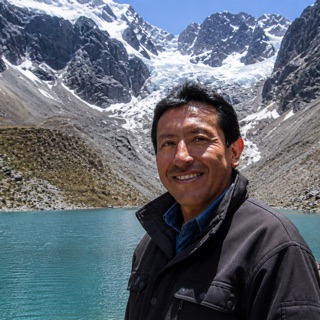 Written with Carlos Mamani, Humantay Lake tour guide & high-altitude specialist
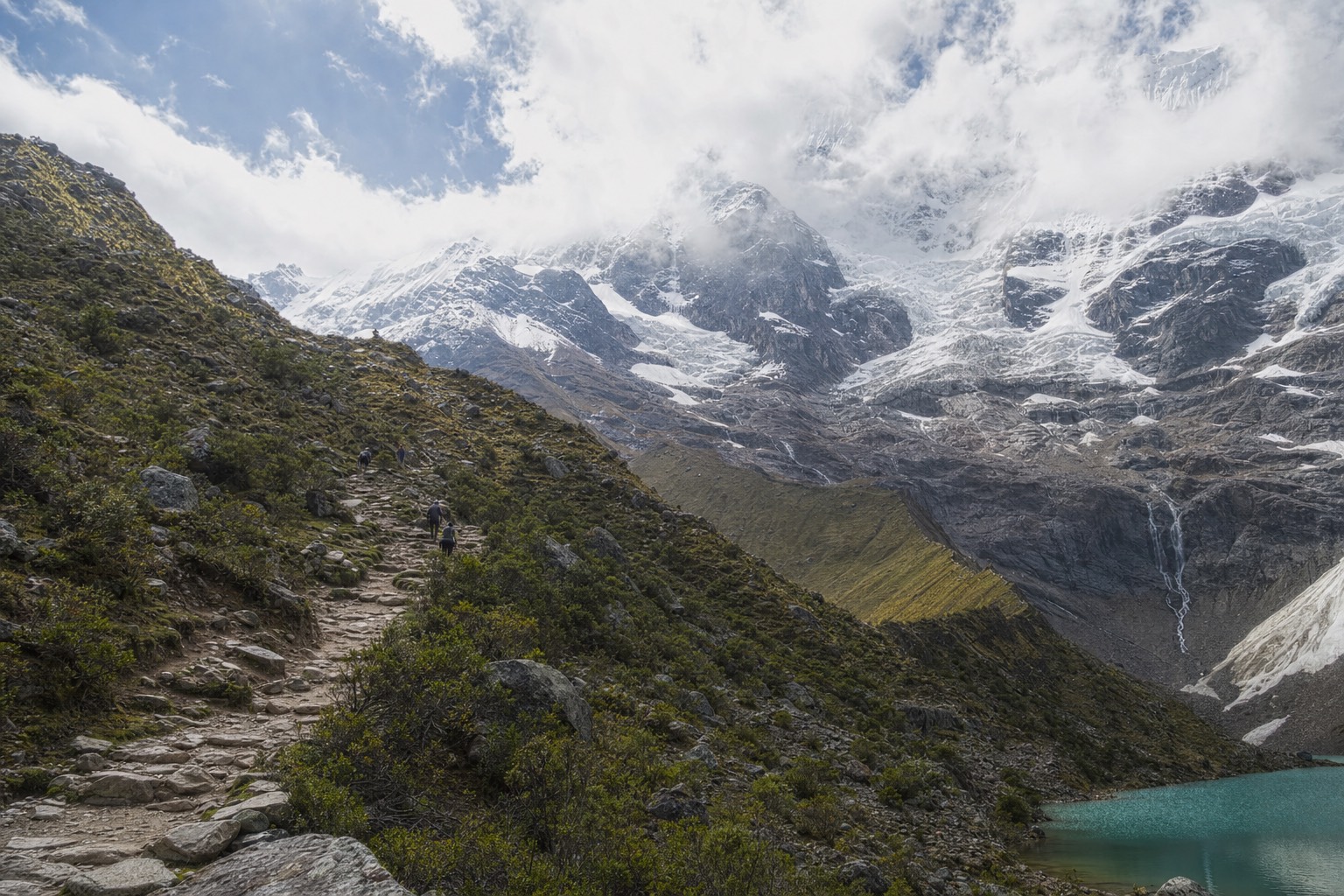
Short answer
Yes, the hike is safe for prepared, acclimatized visitors. The risks, in honest order, are altitude sickness, the steep rocky trail, fast weather shifts and fierce UV. Acclimatize two or more days in Cusco, go slowly, stay on the marked path, and pick a tour carrying first aid and emergency oxygen.
The question usually arrives at the Mollepata breakfast stop, somewhere between the second coca tea and the first look at the mountain: is this actually safe? I have been asked it by marathon runners and by grandmothers, and my answer has not changed since I started pacing groups on this trail in 2022. Yes, it is safe, for people who take the altitude seriously. The trail itself is a well-worn path walked by hundreds of visitors on a normal morning. What deserves your respect is not the mountain's drama but its height, because 4,200 m treats the prepared and the unprepared very differently.
Booking choice: See the full guided lake itinerary and its participation restrictions. Check Humantay Lake dates
Affiliate recommendation · final price and options on GetYourGuide.Is the hike safe for a normal, reasonably fit visitor?
Yes. Thousands of ordinary travellers complete this hike safely every month, including families and older walkers. It is a steep but short climb on a marked, heavily used trail, with the village and vehicles close below. The variable that separates a hard-but-great morning from a miserable one is almost always acclimatization, not fitness.
Let me put the trail in proportion first. From the Soraypampa trailhead you climb roughly 300 to 470 m over about 3 km, which most people manage in one to two hours going up and about an hour coming down. There are no cliffs to scramble, no river crossings, no route-finding. Horses work the lower trail, guides walk with every tour group, and on a clear morning you can see the trailhead buildings for most of the climb.
What makes it feel serious is the air. You start higher than almost any point in Western Europe and finish at 4,200 m, where every step costs more oxygen than your body expects. That is manageable, and I explain exactly how in the acclimatization guide, but it is the one factor that turns casual visitors into cautionary tales. People who land in Cusco and hike the next morning struggle. People who give it two or three days rarely do.
So the honest frame is this: the hike is safe the way a hard gym session is safe. Respect the load, scale it to your body, and it gives you one of the best mornings in Peru.
What are the real risks, ranked honestly?
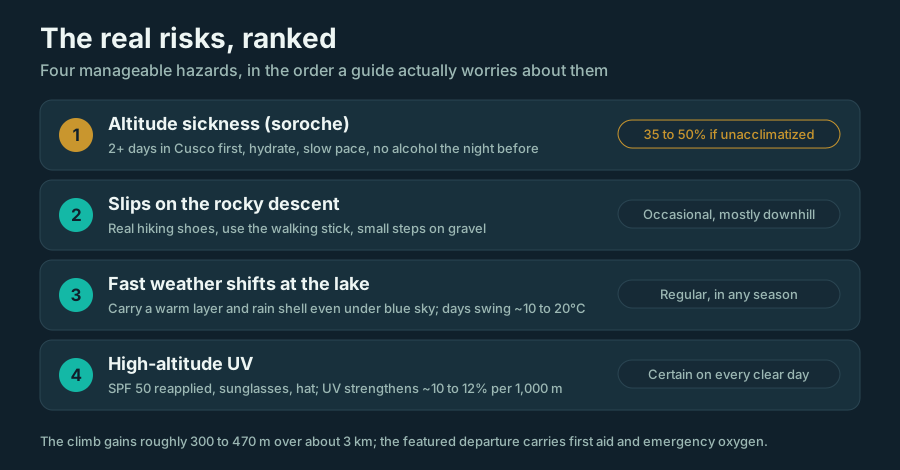
Altitude sickness comes first by a wide margin, affecting a large share of unacclimatized visitors at this elevation. After that, in descending order: slips on the steep rocky descent, fast weather shifts near the lake, and sunburn from UV that strengthens with every 1,000 m of height. All four are manageable with basic discipline.
I rank them from my own mornings on the trail, and the medical sources agree. Health authorities report that roughly 35 to 50 percent of unacclimatized people ascending to elevations between 3,500 and 4,500 m develop some altitude sickness symptoms, usually headache, nausea and fatigue. That is soroche, and it does not care how fit you are. The CDC's altitude illness guidance is blunt about prevention: ascend gradually, hydrate, skip alcohol, and talk to a doctor about acetazolamide if you are prone.
The trail itself ranks second. Going up, the loose rock just makes you slow. Coming down is where I see twisted ankles, because tired legs meet gravel on a grade. Poles or the tour's free walking stick change that equation completely.
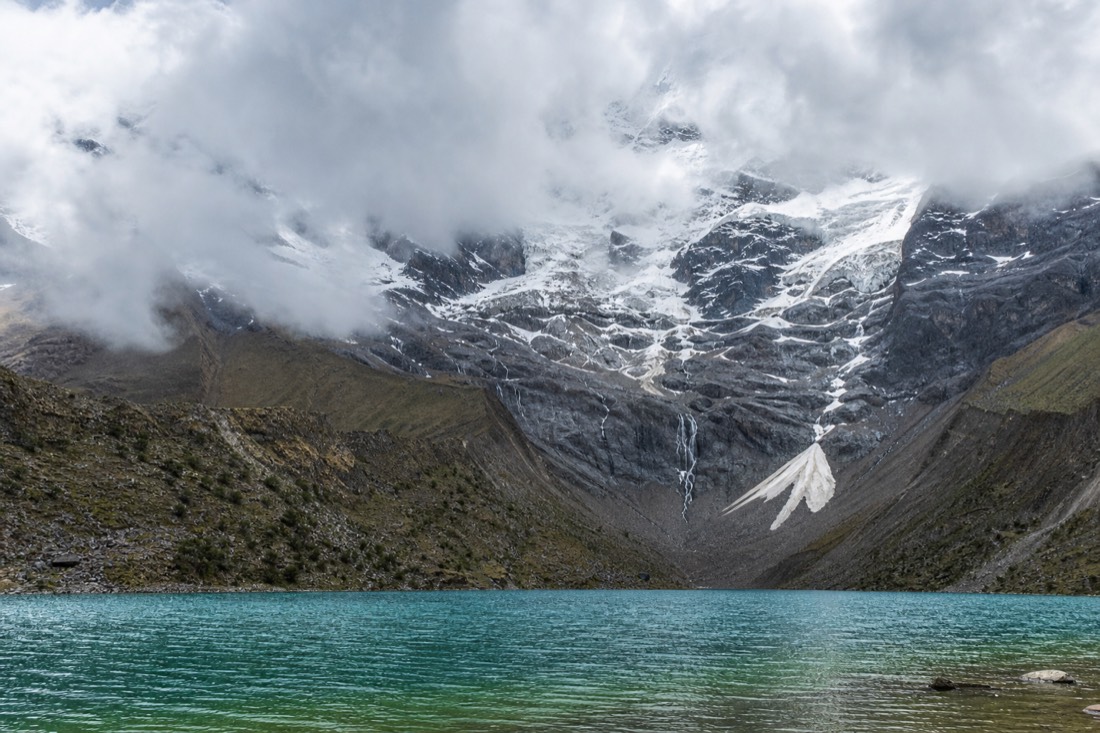
Weather sits third. Mornings are usually calm, but cloud can pour over the ridge in minutes, dropping the temperature fast and sometimes bringing rain or graupel even in dry season. Daytime readings around the lake commonly swing between roughly 10 and 20 degrees, and wind chill near the water cuts lower.
UV is the quiet fourth. Radiation strengthens by roughly 10 to 12 percent per 1,000 m of altitude, and at 4,200 m under thin Andean sky, unprotected skin burns in well under an hour, cloud or not.
| Risk | How likely | How you manage it |
|---|---|---|
| Altitude sickness (soroche) | Common if unacclimatized, roughly 35-50% at this elevation band | 2+ days in Cusco first, hydrate, slow pace, no alcohol the night before |
| Slips on the rocky trail | Occasional, mostly on the descent | Real hiking shoes, use the walking stick, small steps on gravel |
| Sudden weather shifts | Regular near the lake, any season | Carry warm layer and rain shell even under blue sky |
| High-altitude UV | Certain on every clear day | SPF 50, reapply, sunglasses, hat, cover your neck |
Who should skip this hike, according to the operator?
The featured tour's own listing excludes pregnant travellers and people with respiratory problems, mobility impairments, vertigo or low fitness. Those restrictions exist because the hike involves sustained effort at 4,200 m far from a hospital, and no guide can carry someone off the mountain comfortably.
I want to be direct about this section because it is where wishful thinking causes the most grief. The operator's restrictions are not legal boilerplate. Breathing at this altitude is genuinely harder with any respiratory condition. The trail's grade and loose surface are unkind to anyone unsteady on their feet. And the final approach traverses above a slope that people with vertigo find unpleasant, even though it is objectively wide and safe.
Low fitness deserves an honest word too. You do not need to be an athlete; you need to be able to climb stairs for an hour with rest breaks. If that sounds impossible, the horse option covers most of the ascent for about 80 soles, paid on site, though horses stop 15 to 20 minutes short of the lake and you walk the steepest final section yourself. I cover the honest trade-offs in the horse decision guide.
| Condition | Operator's position | My honest note |
|---|---|---|
| Pregnancy | Not suitable | The altitude, not the trail, is the issue |
| Respiratory issues | Not suitable | Thin air amplifies everything, oxygen on board is for emergencies only |
| Mobility impairments | Not suitable | Loose rock and sustained grade, no step-free option |
| Vertigo | Not suitable | One traversing section above open slope bothers some people |
| Low fitness | Not suitable | Horses help but do not finish the climb for you |
| Well-managed general health | Fine for most | Talk to your doctor about altitude beforehand |
If you sit near an edge case, ask your doctor specifically about a day at 4,200 m, and read the travel health guidance on altitude illness before deciding. A postponed hike is a much better story than an abandoned one.
What safety backup does a good tour actually carry?
The featured departure carries a first aid kit and an emergency oxygen bottle, and its guides pace the climb with scheduled breath stops. That combination handles the overwhelming majority of trail problems, which are altitude symptoms, blisters, scrapes and the occasional rolled ankle.
This is the concrete difference between going guided and going alone. A bilingual guide who walks this trail weekly reads people early: the visitor who has gone quiet, the one whose headache started at the second switchback. Caught early, soroche is managed with rest, water, and descent. The oxygen bottle is the escalation nobody wants to need and everybody is glad exists.
The logistics matter as much as the medical kit. Guided groups follow a schedule that puts you on the mountain in the calm morning window and off it before afternoon weather builds. Someone has counted you at every stop. The van is fueled and waiting at Soraypampa, which turns "feeling rough at the lake" into a warm seat within the hour rather than a self-rescue problem.
What early warning signs do I watch for before anyone says a word?
Trouble shows in behaviour before it shows in complaints. I watch for the walker who goes quiet, whose pace drifts off the back of the group, who stops drinking, or who sits down a beat too heavily at a rest stop. Caught at that stage, soroche is almost always settled with rest, water and a slower pace, long before it becomes a reason to turn anyone around.
This is the part of guiding that does not appear on any packing list, and it is most of the job. Since 2022 I have paced groups up these switchbacks, and the pattern rarely varies. The person who is quietly slipping does not announce it; often they do not want to be the one holding everyone up, so they push on in silence while their headache builds. My job is to notice the silence. A chatty walker who goes wordless at the second switchback is telling me something, and I would rather ask them twice than miss it once.
The reassuring truth underneath all of this is that early soroche is undramatic to manage. Rest, water, a slower rhythm, and if it keeps climbing, a calm walk back down toward the trailhead. Descent is the reliable fix, and at Humantay the trailhead is close and the van is waiting, so a rough patch becomes a warm seat rather than a crisis. The oxygen the featured tour carries is there for the rare escalation, not the everyday wobble.
What decides who wobbles is almost never fitness. It is how many days a visitor gave Cusco first. The numbers are stark: health authorities report that roughly 35 to 50 percent of unacclimatized people develop some altitude symptoms between 3,500 and 4,500 m, and I watch that statistic walk up the trail every week. The ladder below matches what I see to how long people settled in Cusco beforehand.
| Days acclimatizing in Cusco first | Rough readiness for 4,200 m | What I tend to see on the trail |
|---|---|---|
| None, landed yesterday | Poor; the risk sits highest here | Most of the struggling walkers come from this group |
| One day | Better, still thin | Some cope well, many labour |
| Two days | The sensible minimum | Most people climb steadily |
| Three or more | Strongest | Headaches are rare and the pace feels comfortable |
The ladder is a pattern, not a promise, because bodies differ. A very fit twenty-year-old can still be flattened while a careful sixty-year-old walks up steadily, so I never let anyone treat youth or gym hours as a substitute for time at altitude. What holds across almost everyone is the direction of it: days in Cusco are the cheapest insurance you can buy for this hike, more effective than any gadget or supplement on the shelf. If your schedule can only spare a single Cusco day before the lake, read that as a yellow flag and bring extra water, extra patience and a willingness to turn back.
How does the risk change with the season and time of day?
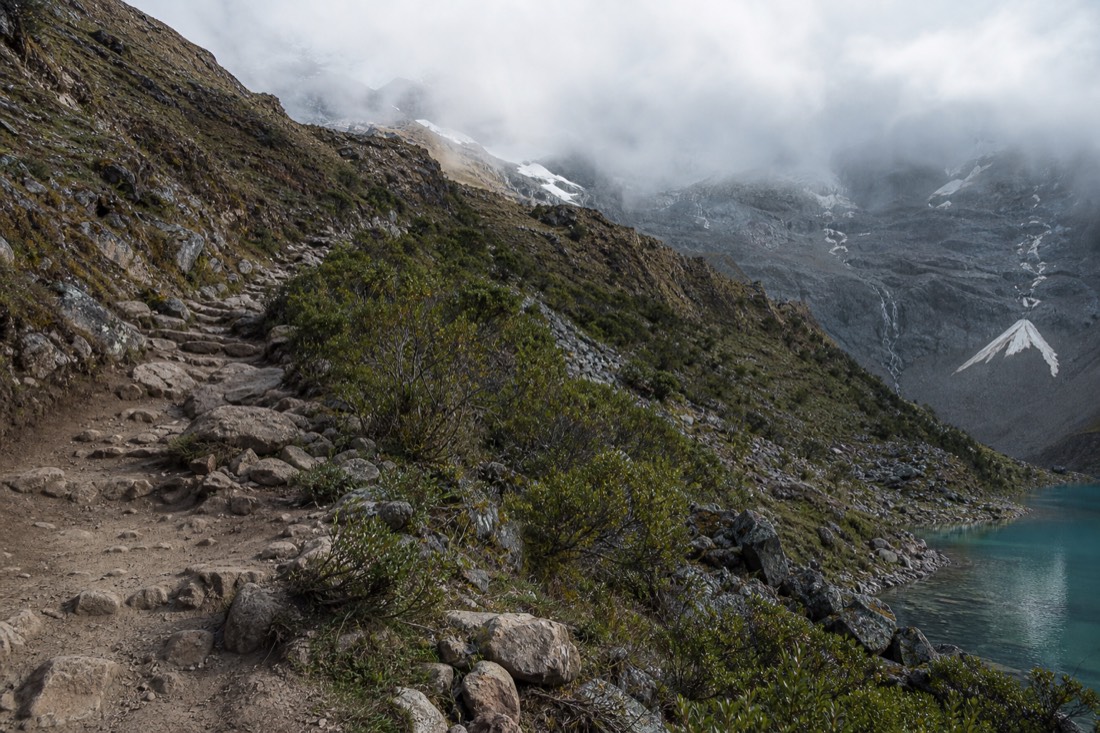
More than most visitors expect. Mornings are usually calm and clear; afternoons bring cloud, wind and sometimes rain, which is the honest reason for the pre-dawn start. The dry season, May to September, is the settled window. And the UV is fierce at any hour on a clear day, strengthening about 10 to 12 percent for every 1,000 m of height.
The 3:30 AM alarm is not there to punish you, though it feels that way in the van. It exists because the mountain runs on a daily clock. Early, the air near the lake is generally still and the light is at its best, which is both the safest and the most beautiful time to stand at the shore. By early afternoon the pattern usually flips: cloud stacks over the ridge, the wind picks up off the water, and the temperature drops fast. Being high on the trail when that arrives is colder, greyer and more slippery than it needs to be, so guided groups are built to be heading down as it builds.
Season shifts the same dial more slowly. Daytime readings around the lake commonly sit between about 10 and 20 degrees, but the dry months hold that range far more reliably, with stable clear mornings and settled footing underfoot. The rainy season, October to April, is still walkable, but the trail turns muddy and grippier, cloud sits lower, and the turquoise itself becomes a gamble. None of this makes the wet months dangerous; it makes them a different, wetter experience with thinner views.
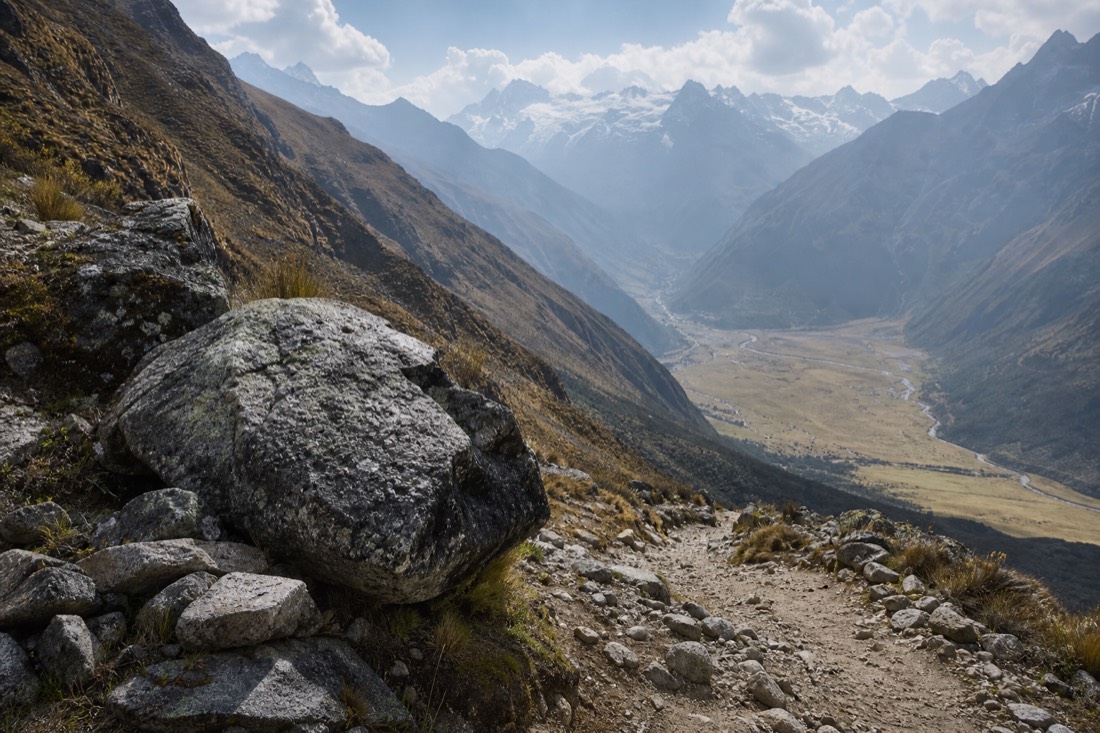
The one risk that ignores the clock entirely is the sun. At 4,200 m under thin Andean sky, unprotected skin burns in well under an hour, cloud or not, and the reflection off water and any lingering snow only sharpens it. Treat the table below as planning guidance for reading the conditions, and pair it with the preparation checklist that follows.
| Window | Typical conditions | What it means for you |
|---|---|---|
| Early morning at the lake | Calm, clear, the best light | The safest and finest time; the reason tours leave at 3:30 AM |
| Early afternoon | Cloud building, wind, chance of rain | Colder, greyer, slipperier; be off the high trail by now |
| Dry season, May to Sep | Stable clear mornings | The most reliable and settled months |
| Rainy season, Oct to Apr | Mud, low cloud, passing squalls | Walkable, but grippier footing and hit-or-miss views |
Most of your safety is decided before the van leaves, in the quiet days you spend preparing. This is the short list I give anyone who asks how to stack the odds in their favour, framed as sensible preparation rather than medical instruction, so run it past your own doctor where it touches your health.
| In the days before | Why it matters |
|---|---|
| Two or more nights in Cusco | Lets your body adjust to 3,400 m before you climb higher |
| Hydrate hard, skip the alcohol | Both lower the odds and the severity of soroche |
| Ask a doctor about acetazolamide | A standard preventive option if you are prone to altitude illness |
| Pack SPF 50, a hat and sunglasses | UV at 4,200 m burns exposed skin in under an hour |
| Broken-in shoes, warm layer, rain shell | Covers the descent slips and the sudden afternoon cloud |
Read that list as a system rather than a menu. The traveller who does four of the five but skips the Cusco days is still exposed, because acclimatization carries most of the weight and the rest only trims the edges. Stacked together, though, these small habits are why the great majority of people I walk with have a hard, happy morning and a story worth retelling, instead of a rough one they endure. Preparation is unglamorous, and it is most of what keeps this hike sitting firmly in the safe column.
How do you stay safe on the trail itself?
Stay on the marked path, keep your own pace rather than the group's, drink before you feel thirsty, and layer early when cloud arrives. Turn around if headache builds despite rest, if nausea starts, or if you feel confused or unusually clumsy. The lake is not worth pushing through worsening symptoms.
The marked trail rule sounds obvious until you see people cutting switchbacks. The shortcuts are steeper, looser and slower, and they chew up the slope for everyone after you. The main path exists because it is the good line. Trust it.
Pacing is where I earn my living. The rhythm that works at 4,000 m is embarrassingly slow: small steps, steady breathing, a short stop every ten minutes whether you feel you need it or not. Guides call it the Andean shuffle. Visitors who race the first section almost always sit down hard at the halfway point while the shufflers walk past them.
Know your turn-around signals and honour them. A mild headache that eases with rest, water and a slower pace is normal. A headache that keeps building, vomiting, dizziness, or any confusion means you descend, immediately and with company. Descent is the treatment, the trailhead is close, and every guide on this mountain has walked someone down before. There is no drama in it, only good judgment.
| Trail signal | What it means | What to do |
|---|---|---|
| Mild headache easing with rest | Normal altitude adjustment | Slow down, drink, continue when it fades |
| Headache building despite rest | Early soroche | Tell your guide, descend if it keeps climbing |
| Nausea or vomiting | Soroche progressing | Descend with the guide, no debate |
| Dizziness, confusion, clumsiness | Serious warning | Immediate descent, guide deploys oxygen if needed |
| Cold, wind, sudden cloud | Weather shift, not an emergency | Layer up, shorten the lakeside stop |
Pack like the mountain is moody, because it is. The packing guide has the full list, but the safety core is water, a warm layer, a rain shell, SPF 50 and real shoes. Do that, give Cusco its two days, and the scariest part of your Humantay morning will be the alarm clock.
Your next step
Choose your day from Cusco
Match the trip to your plans
General recommendation · confirm your own requirements
Humantay Lake with breakfast and buffet lunch
Have a date in mind? Let one booking cover the ride to Soraypampa, your guide and both meals. Check your departure before arranging the rest of your trip.
12–13.5 hours · Transport, English/Spanish guide, breakfast and buffet lunch, first aid and emergency oxygen. Entrance fee and optional horse are extra, paid locally in cash.
Choose the historic-center pickup option and confirm your hotel; other options use a meeting point. Downtown Cusco drop-off.
A steep high-altitude hike. Not suitable for pregnancy, mobility or respiratory limitations, vertigo or low fitness. A horse does not remove the walking or altitude requirements. Free cancellation until 24 hours before departure.
Affiliate links: we may earn a commission if you book, at no extra cost to you.