Humantay Lake Weather Month by Month (2026)
The lake sits at 4,200 m and makes its own weather. Here is what each month really hands you on the trail, from a guide who reads that sky for a living.
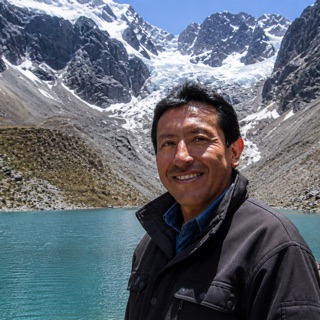 Written with Carlos Mamani, Humantay Lake tour guide & high-altitude specialist
Short answer
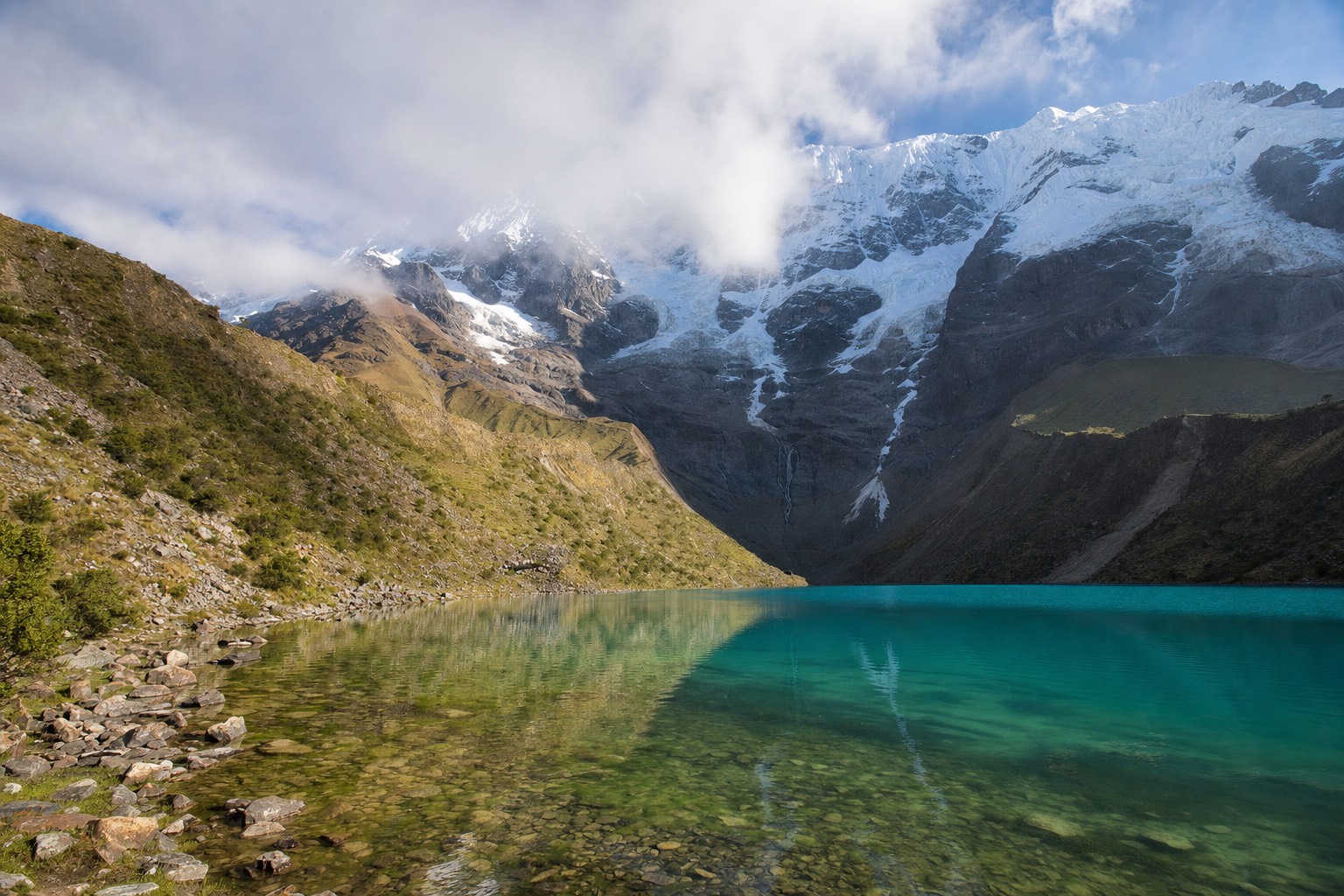
Dry season, May through September, gives cold clear mornings, a firm trail, and the best odds of full turquoise. Wet season, October through April, brings mud, afternoon rain, and cloud over the glacier. At 4,200 m expect winter nights and strong sun by day in any month, so layer for both.
Frost on the grass at Soraypampa, then sunburn by ten. That is a normal Tuesday up here. I have stood at the shore of Humantay in July with my water bottle frozen at the cap, and I have stood there in February soaked through a poncho, watching cloud swallow the glacier in under twenty minutes. People ask me for the weather like it is one answer. It is twelve answers, one per month, and then the mountain edits them daily. This page is about what those conditions actually mean once you are on the trail. If you are still deciding which month to fly in, my best time to visit guide handles the planning question; here I want to show you what the day itself will feel like.
Booking choice: See the lake day for the month you can travel. Check Humantay Lake dates
Affiliate recommendation · final price and options on GetYourGuide.What is the weather like at Humantay Lake month by month?
May through September is the dry season: cold nights, clear mornings, firm trail, reliable colour. October through April is the wet season: mud, slick rock, afternoon rain, and cloud that hides the peaks. The shoulder months, April and October, swing between the two and can reward or punish you either way.
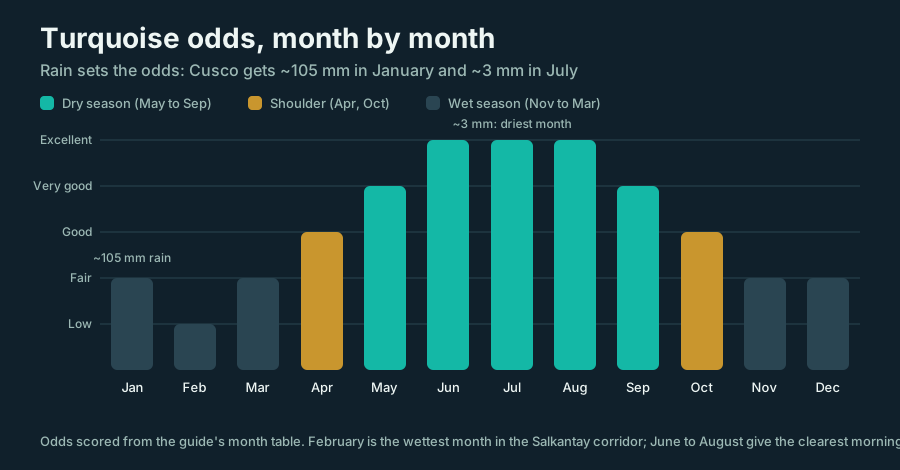
In Cusco's highlands the year splits by rain, not by temperature. The numbers make the point better than adjectives. Cusco averages roughly 105 mm of rain in January and close to nothing, about 3 mm, in July. February is usually the single rainiest month in the Salkantay corridor, with heavy showers building most afternoons. The lake sits higher and closer to the glacier than Cusco, so everything is amplified: more rain in the wet months, harder frost in the dry ones.
Here is the grid I would want as a first-time visitor.
| Month | Season | Trail underfoot | Typical sky | Turquoise odds |
|---|---|---|---|---|
| January | Wet, peak | Deep mud, slick rock | Cloud most days, heavy afternoon rain | Low to fair |
| February | Wettest month | Worst mud of the year | Grey, frequent rain | Low |
| March | Wet, easing | Muddy but draining | Mixed, storms still common | Fair |
| April | Shoulder | Drying fast | Clearing, green valleys | Good |
| May | Dry begins | Firm, dusty patches | Clear mornings | Very good |
| June | Dry, coldest | Firm, frost at dawn | Deep blue, sharp light | Excellent |
| July | Driest month | Firm and dusty | Clearest skies of the year | Excellent |
| August | Dry, windy | Firm, dust on descents | Clear, gusty afternoons | Excellent |
| September | Dry ends | Firm, first showers late month | Mostly clear | Very good |
| October | Shoulder | Occasional fresh mud | Building afternoon cloud | Good |
| November | Wet begins | Softening | Cloudier, regular rain | Fair |
| December | Wet | Muddy | Grey spells, rain most afternoons | Fair to low |
How cold is it at 4,200 m compared to Cusco?
Colder than Cusco by day and much colder at night, but the sun changes everything. Dry-season days at Soraypampa can reach about 20°C in full sun while the same night drops below freezing. The lakeshore at 4,200 m runs a few degrees cooler again and catches wind off the glacier.
Altitude sets the baseline. Cusco sits at about 3,400 m, per its city profile, the trailhead at Soraypampa around 3,850 to 3,900 m, and the lake itself at roughly 4,200 m. Every step up trades a little warmth away. What surprises people is not the average, it is the spread: a single dry-season day can cover a 20-degree swing between dawn frost and midday glare.
| Location | Altitude | Dry-season day | Dry-season night | Wet-season day |
|---|---|---|---|---|
| Cusco (pickup point) | ~3,400 m | 18-20°C in sun | 0-5°C, June nights near frost | 15-18°C, humid |
| Soraypampa trailhead | ~3,850-3,900 m | Up to ~20°C in full sun | Below 0°C | 10-15°C |
| Humantay lakeshore | ~4,200 m | 10-15°C, wind chill lower | Well below freezing | 5-12°C, raw in rain |
The practical read: you will be cold at the 3:30 AM pickup, warm and sweating on the switchbacks, then chilled again standing at the shore. Nobody dresses for one temperature up here. My packing list is built around exactly this swing, three light layers beating one heavy one every single time.
One more thing the table cannot show. UV at 4,200 m is fierce even at 8°C, and cloud does not block it. The worst sunburns I see are on overcast wet-season days, because people put the sunscreen away when the sky goes grey.
Why does the morning look nothing like the afternoon?
High Andean weather runs on a daily engine: cold, dense, clear air at dawn, then sun-heated valley air rising through the morning and condensing into cloud right where the glacier meets the sky. By early afternoon that cloud often brings wind, showers, or full whiteout, in any season.
This is the single most useful thing I can teach you about Humantay. The mountain does not get random weather, it gets scheduled weather. Overnight the air drains cold and still into the valleys. At sunrise it is usually the clearest moment of the entire day. As the sun heats the slopes, moist air climbs, and the first puffs of cloud form over Humantay peak late in the morning, almost on cue. The glacier is the condensation point, so the very thing you came to photograph is the first thing to disappear.
| Time at the lake | Typical dry season | Typical wet season |
|---|---|---|
| 6:00-9:00 AM | Cold, still, sharpest light | Coolest, best visibility window |
| 9:00-11:00 AM | Clear, warming, first cloud wisps on the peak | Cloud building fast on the glacier |
| 11:00 AM-1:00 PM | Cloud caps the summit, wind picks up | Showers likely, visibility dropping |
| After 1:00 PM | Gusty, cold shadows | Rain, hail possible, whiteout risk |
That schedule is why serious departures leave Cusco brutally early, and why I defend the alarm clock every season. An operator that gets you on the trail ahead of the heat gets you the lake at its best.
What does rain actually do to the trail?
Rain turns a steep rocky path into a steep slippery one. The dirt sections become churned mud, the stone steps get greasy, and the descent takes longer than the climb. It rarely makes the hike impossible, but it demands real footwear, a proper poncho, and about thirty extra minutes of patience.
The Humantay path gains roughly 300 to 470 m in about 3 km, and most of that grade is dirt and loose rock. Dry, it is a stiff walk. Wet, the mud on the lower half gets worked by boots and horse hooves into something like wet clay, and the rocky upper half turns slick exactly where the drop-offs start. I slow my groups down hard on wet descents; going up in rain is tiring, coming down in rain is where ankles go.
Visibility is the other cost. Wet-season cloud can sit on the trail itself, not just the summit, and traveller reports from recent seasons describe fog thick enough to hide the lake from thirty metres away. The water level actually rises with the rains, the lake is technically fuller, but you may not see across it.
None of this is a reason to skip a wet-season trip if that is when you can come. It is a reason to prepare differently, and to hold your expectations loosely. I wrote about a full January soaking on the blog, including what the trail looked like and who turned back, if you want the unfiltered version.
Will a grey day kill the colour?
No, but it mutes it. The turquoise comes from glacial rock flour suspended in the water, and that mineral colour is always there. Direct sun makes it glow; heavy overcast flattens it toward jade and steel grey. A bright-but-cloudy sky still shows real colour, especially from the higher viewpoints.
The colour is physics, not luck. Meltwater off the Humantay glacier carries fine ground rock into the lake, and those particles scatter light in the green-blue band. The lake's own profile will tell you it is glacial; what it will not tell you is how differently that reads under different skies. Full sun at 10 AM: electric turquoise, almost artificial. High thin cloud: softer, still clearly blue-green. Low storm cloud: slate with a green memory in it.
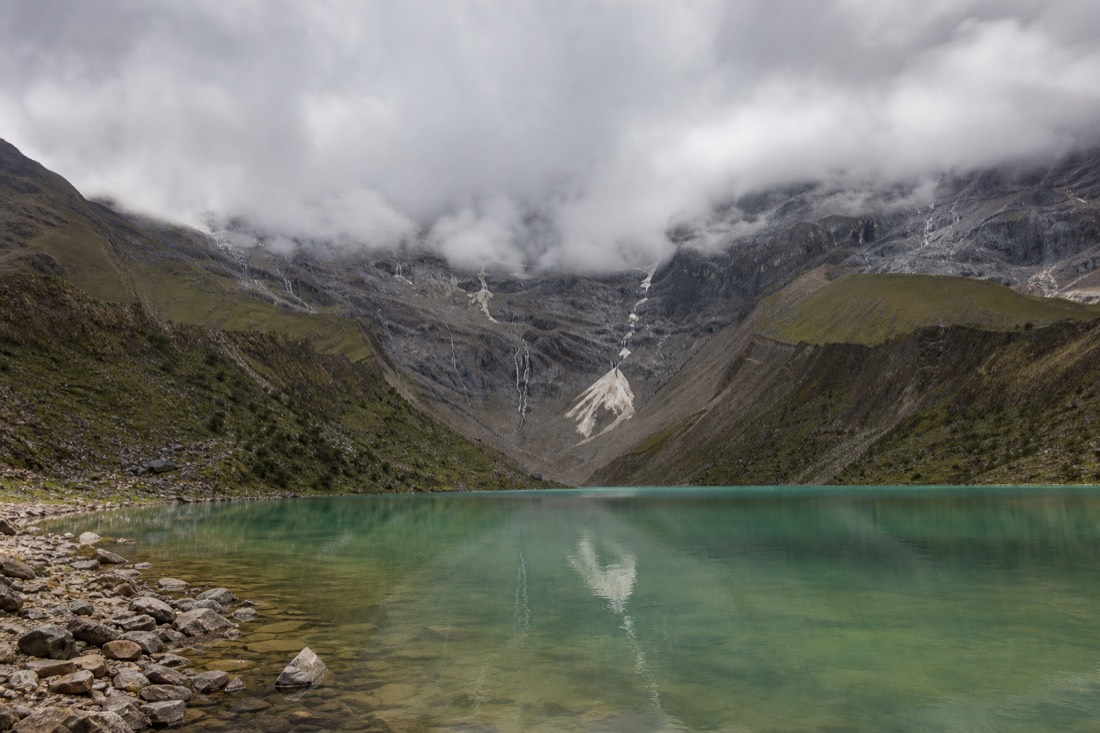
I tell my groups to think in probabilities, not guarantees. June gives you perhaps nine bright mornings in ten. February might give you three. The lake was still worth the walk on every grey day I have stood there, but I understand the disappointment when someone flew in for one photograph. I wrote honestly about the worst version of this in the day the lake was grey, because I would rather you arrive with true expectations than perfect ones.
How do you read the forecast for a hike like this?
Check the forecast for Mollepata or Soraypampa, not Cusco, and trust the morning half of it far more than the afternoon. In the dry season a bad forecast is usually wrong by lunchtime; in the wet season even a good one only really covers the hours before noon.
Cusco's city forecast is sixty kilometres and a full climate zone away from the lake. The city can sit under sun while Soraypampa takes hail. Search the forecast for Mollepata district, and read it the way guides do: rain probability before 11 AM matters, rain probability after 2 PM mostly does not, because you will be off the mountain. Climate history tools such as WeatherSpark's Cusco data are good for seasonal planning, less so for day-of calls.
Two final habits worth copying. First, judge the dawn, not the app: if you can see stars at the 3:30 AM pickup, your morning is probably good regardless of what the forecast said last night. Second, never cancel the night before over an afternoon rain icon. The hike happens in the morning window, and the morning window is the most protected part of the Andean day. The month sets your odds. The early start is how you collect on them.
Dry season versus wet season: what actually changes beyond the rain?
More than the rain gauge. The dry season, May through September, hands you firm trail, sharp light and the best turquoise odds, but colder nights and bigger crowds. The wet season, October through April, brings mud, cloud and quiet trails, plus a fuller lake you may struggle to see across. Every choice is a trade.
People fixate on "will it rain," and rain is only half the story. Swap seasons and six things move at once: the surface underfoot, how far you can see, the temperature swing, the number of boots on the path, the colour of the water, and what you have to carry. I have walked this trail in both, dozens of times, and the honest picture is a set of trade-offs rather than a winner.
| Factor | Dry season (May-Sep) | Wet season (Oct-Apr) |
|---|---|---|
| Trail surface | Firm, dusty on the descents | Mud on the lower half, greasy rock up top |
| Visibility | Clear mornings, glacier sharp | Cloud and fog, the lake sometimes hidden |
| Temperature | Sub-zero dawn, up to ~20°C in sun at Soraypampa | Milder nights, daytime only 10-15°C, wet cold |
| Crowds | Peak, busiest in July and August | Thin, quiet trail |
| Water colour | Best turquoise odds | Muted, often grey-green under cloud |
| What to pack | Hard frost layers plus strong sun kit | Full rain gear, waterproof boots, spare socks |
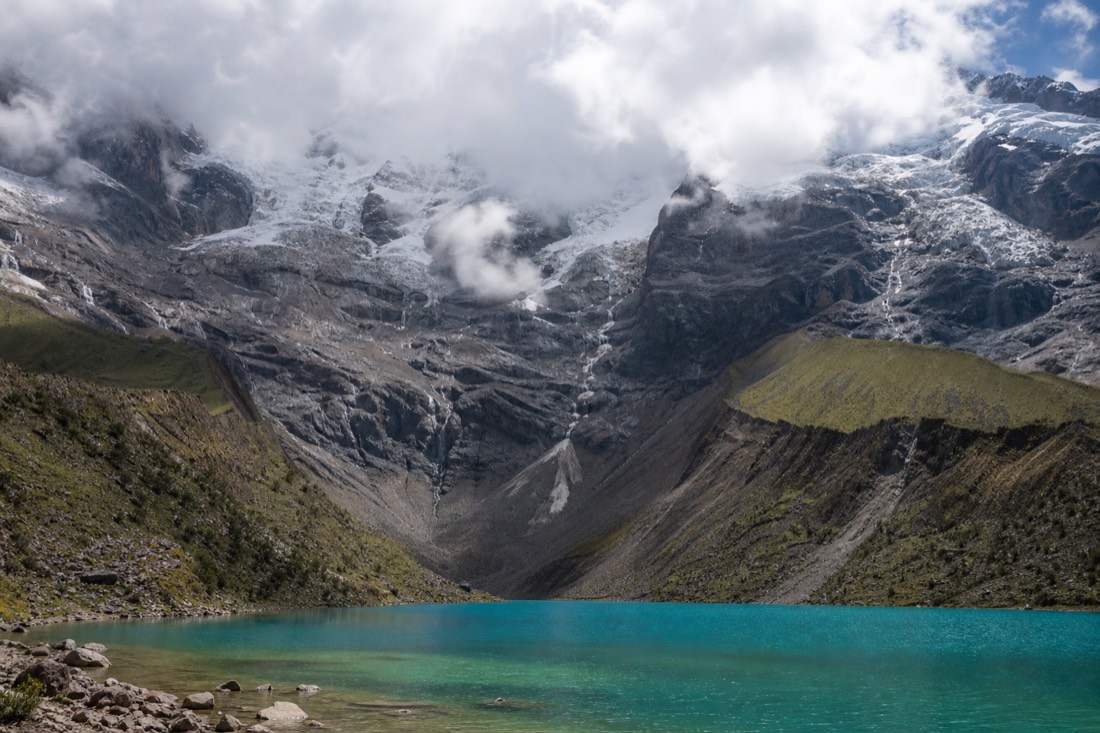
The colour question is the one that stings most, because it is the reason most people came. Dry-season sun off fresh snow gives the electric turquoise that sold you the trip. Wet-season cloud mutes it, and the low storm light I described earlier can leave the lake reading slate-green. The water itself is often higher after the rains, technically fuller, yet the view across it is the first casualty of the fog.
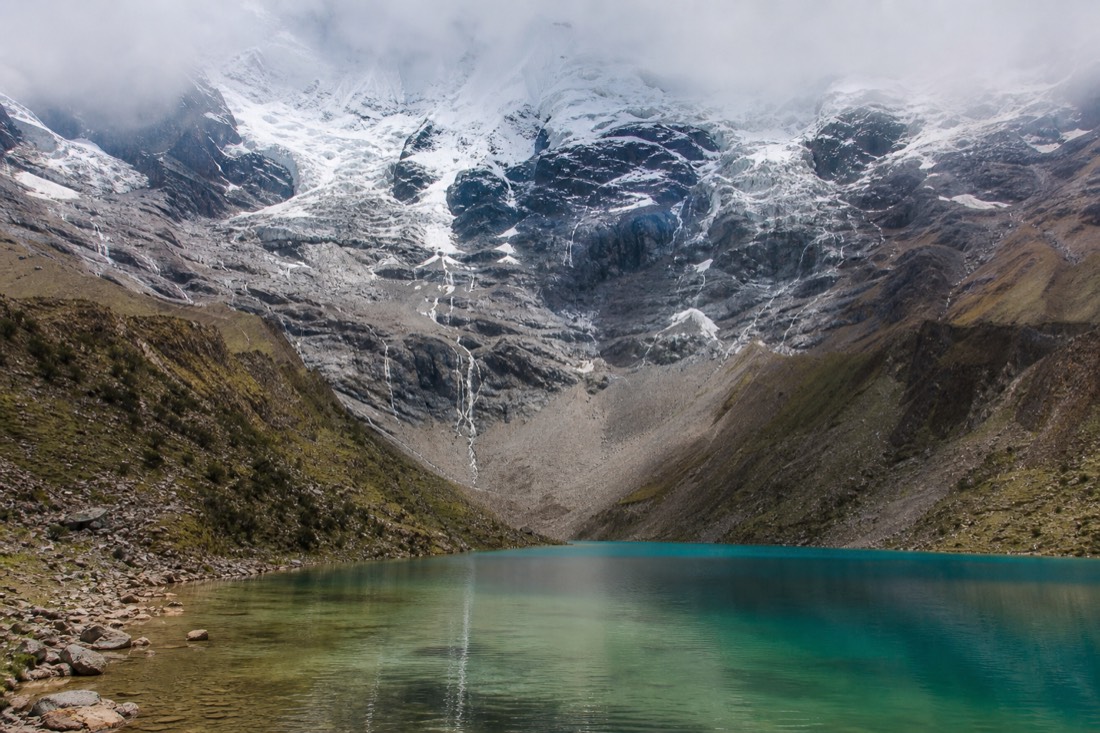
Then there is what you wear, which changes more between seasons than most visitors expect. A dry June morning starts below freezing and ends in fierce sun. A wet February morning barely climbs out of single digits but soaks you from above. The clothing that wins each day is different, so here is how I break the swing down by the hour rather than by the thermometer.
| Part of the day | What it feels like | What wins |
|---|---|---|
| 3:30 AM pickup | Coldest point, dark, still | Warm base layer plus a jacket you can shed |
| Breakfast to trailhead | Cool, warming slowly | Keep layers on until you start climbing |
| The switchback climb | You overheat fast | Down to a base layer, sun hat, sunscreen on |
| At the 4,200 m shore | Wind off the glacier bites | Every layer back on, gloves in the cold months |
| The descent | Cooling, legs tired | Mid layer back, watch footing on wet rock |
The shoulder months, April and October, deserve their own warning, because they are the ones that fool people. An April trip can hand you the drained green valleys and firming trail of early dry season, or a late storm that behaves like February. October runs the same gamble in reverse, mostly clear until the afternoon it is not. I book shoulder dates myself, and happily, but I book them knowing the free-cancellation window is doing quiet work in the background. I never promise a group a blue lake in either month, only good odds and a plan for grey.
None of this makes one season correct. It makes them different mornings with different rules. Come when your calendar lets you, then prepare for the season you actually drew.
Which months do I quietly steer my own groups toward?
If someone has a free choice, I point them at late May, June, or the first three weeks of September: dry-season reliability without the deepest July frost or the thickest August dust. If the trip is locked to the wet months, I tell them to hold expectations loosely and treat any clear morning as a gift. The month sets the odds; the traveller sets the tolerance.
I have guided the Humantay day trip since 2022, and I have learned that the "best month" depends entirely on who is asking. A photographer chasing the mirror-flat turquoise wants a stable dry-season dawn and will happily suffer the cold for it. A family with mixed fitness wants a drier trail and forgiving temperatures, which pushes them toward the shoulders. A budget traveller who can stomach a grey morning gets the wet-season trail almost to themselves. So before I name a month, I ask what the trip is for.
| If you are | Aim for | Why |
|---|---|---|
| Chasing the postcard turquoise | June or early September | Stable dry mornings, sharp light |
| Travelling with mixed fitness | May or late September | Drier trail, gentler temperatures |
| On a tight budget, flexible on views | November or March | Quiet trail, lower-season prices, accept cloud |
| Nervous about the cold | May or September over July | Dry footing without the deepest frost |
| Locked to the wet months | Any clear dawn you get | Book flexible, then judge the morning sky |
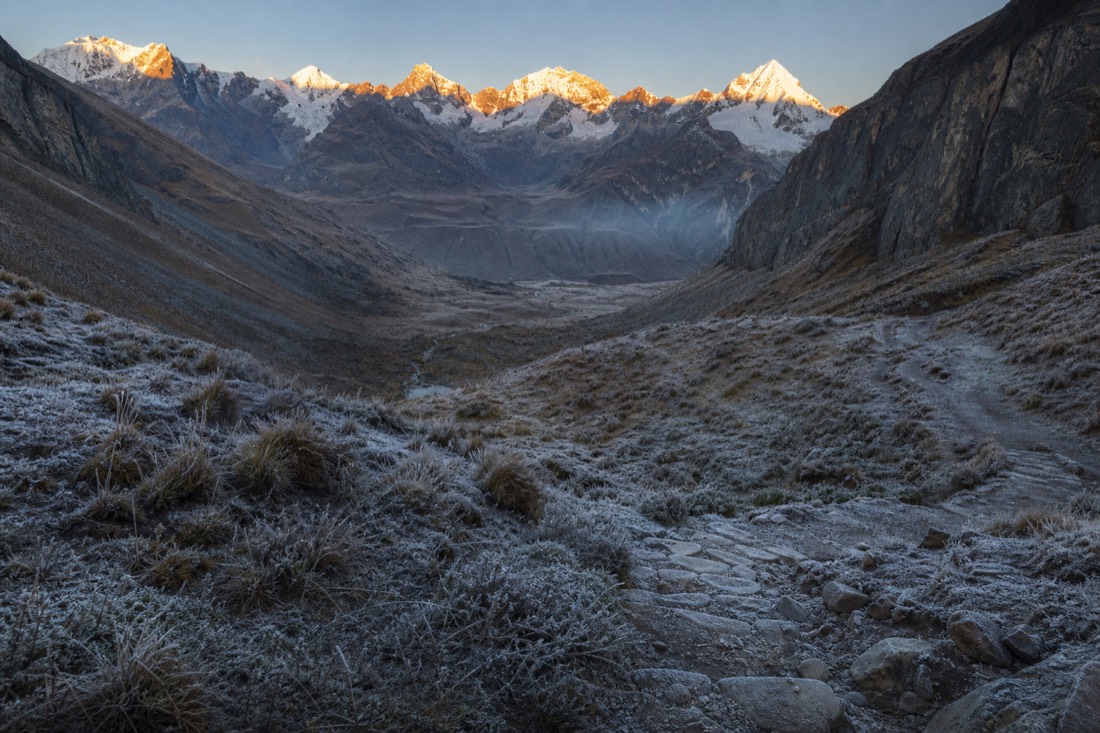
Two patterns hold across every group. First, the dry-season crowds are real, and July and August put the most boots on the trail, so an early departure matters even more in those months. Second, the shoulder weeks reward the flexible: late April can still drain out beautifully, and late September often stays clear before the first storms, yet both can flip on you. If you book a shoulder date, book it with the free-cancellation window as your insurance.
For the deeper planning question, which specific month to fly in for, my best time to visit guide lays out the full calendar. This page was about reading the sky once you are here. Between the two, you will know both which morning to book and what that morning is likely to hand you.
Your next step
Choose your day from Cusco
Match the trip to your plans
General recommendation · confirm your own requirements
Humantay Lake with breakfast and buffet lunch
Have a date in mind? Let one booking cover the ride to Soraypampa, your guide and both meals. Check your departure before arranging the rest of your trip.
12–13.5 hours · Transport, English/Spanish guide, breakfast and buffet lunch, first aid and emergency oxygen. Entrance fee and optional horse are extra, paid locally in cash.
Choose the historic-center pickup option and confirm your hotel; other options use a meeting point. Downtown Cusco drop-off.
A steep high-altitude hike. Not suitable for pregnancy, mobility or respiratory limitations, vertigo or low fitness. A horse does not remove the walking or altitude requirements. Free cancellation until 24 hours before departure.
Affiliate links: we may earn a commission if you book, at no extra cost to you.